Lighting: The Silent Designer Behind Every Memorable Space
Mar 09, 2026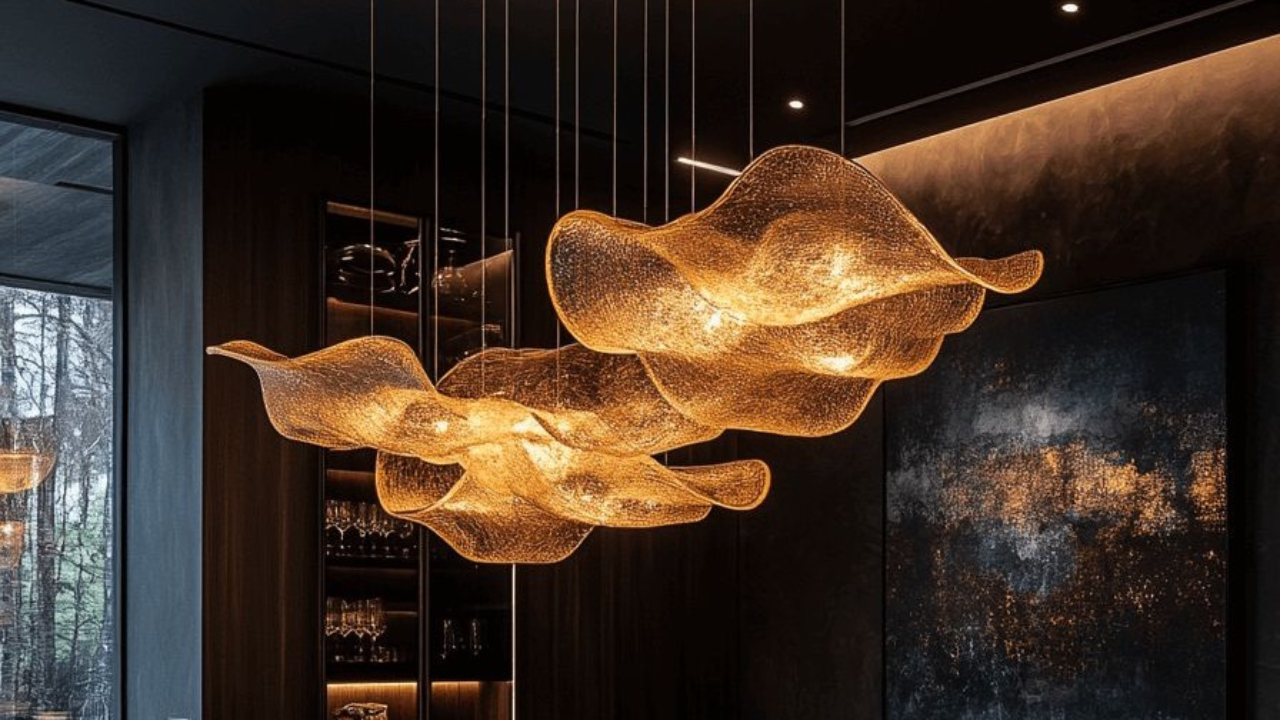
There are spaces that stay with us long after we leave them.
A restaurant where conversations feel warmer, a hotel lobby that immediately creates a sense of atmosphere, or a home that simply feels welcoming the moment you walk in.
Often we attribute that feeling to the décor, the architecture, or the design of the space itself. Yet behind many of these memorable environments, there is another element quietly shaping the experience.
Lighting.
Lighting rarely demands attention, but it influences almost everything we perceive. It defines how colors appear, how textures are revealed, and how a room feels emotionally. In many ways, lighting acts as the silent designer of a space, guiding our senses without us even realizing it.
Just as music sets the tone in a film, lighting sets the tone of a space.
Lighting and the Human Experience
Human beings are deeply responsive to light. Our brains instinctively associate different types of lighting with specific emotions and experiences.
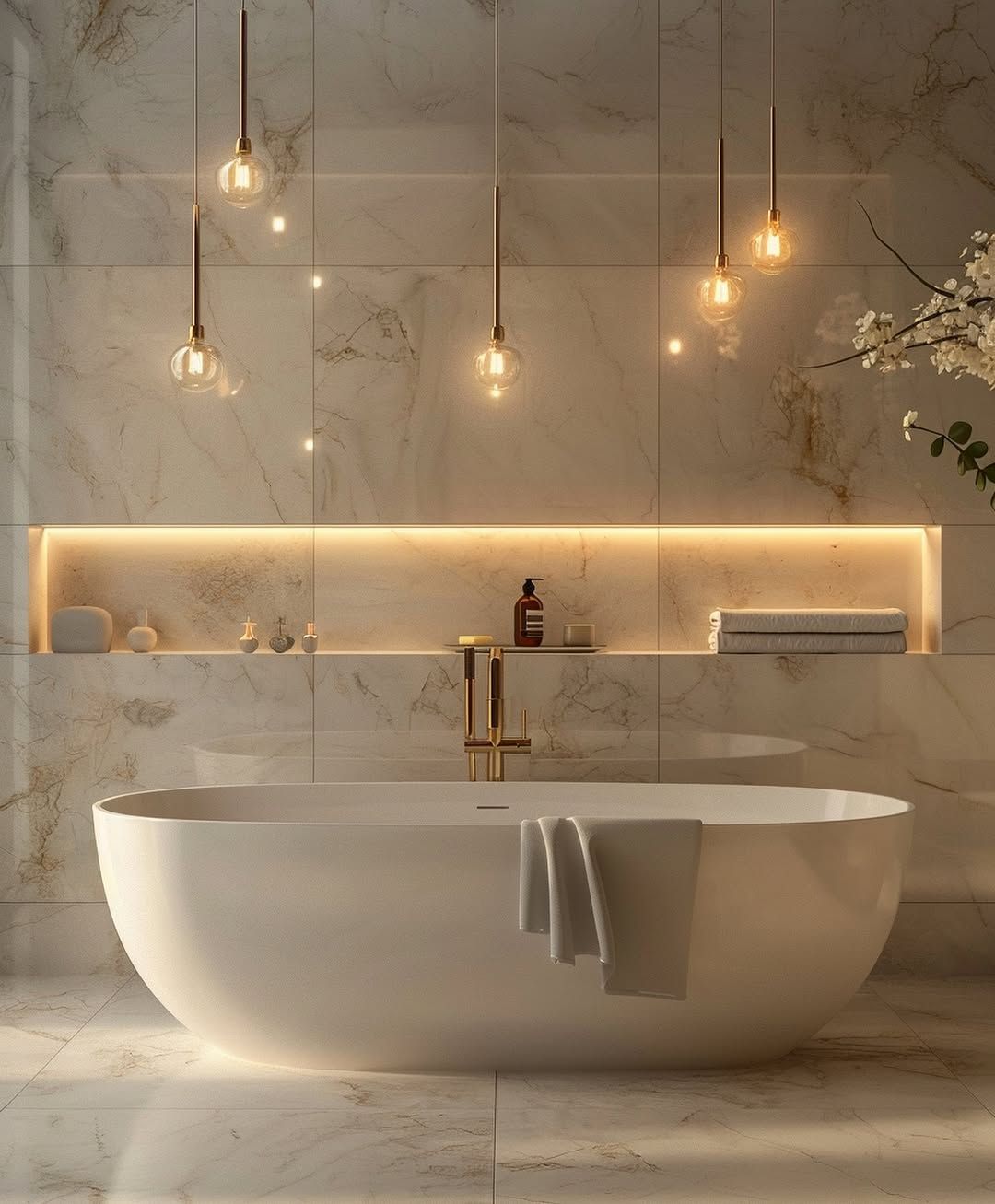
Warm, soft lighting creates comfort and intimacy. Layered lighting adds depth and sophistication. Focused lighting draws the eye and highlights what matters.
This is why lighting plays such a powerful role in how people connect with environments. A space may be beautifully furnished, but without thoughtful lighting it can feel flat or incomplete.
When lighting is intentional, spaces begin to feel alive.
Lighting quietly guides the experience of a space. When light is intentional, spaces begin to feel alive.
Inspiration from the Hospitality Industry
After many years working within the real estate and design world—and traveling through spaces shaped by different cultures and design philosophies—it becomes clear that lighting is rarely accidental in environments that feel truly memorable.
The hospitality industry understands this exceptionally well. Hotels and restaurants have mastered the art of creating environments that evoke a feeling the moment someone enters.
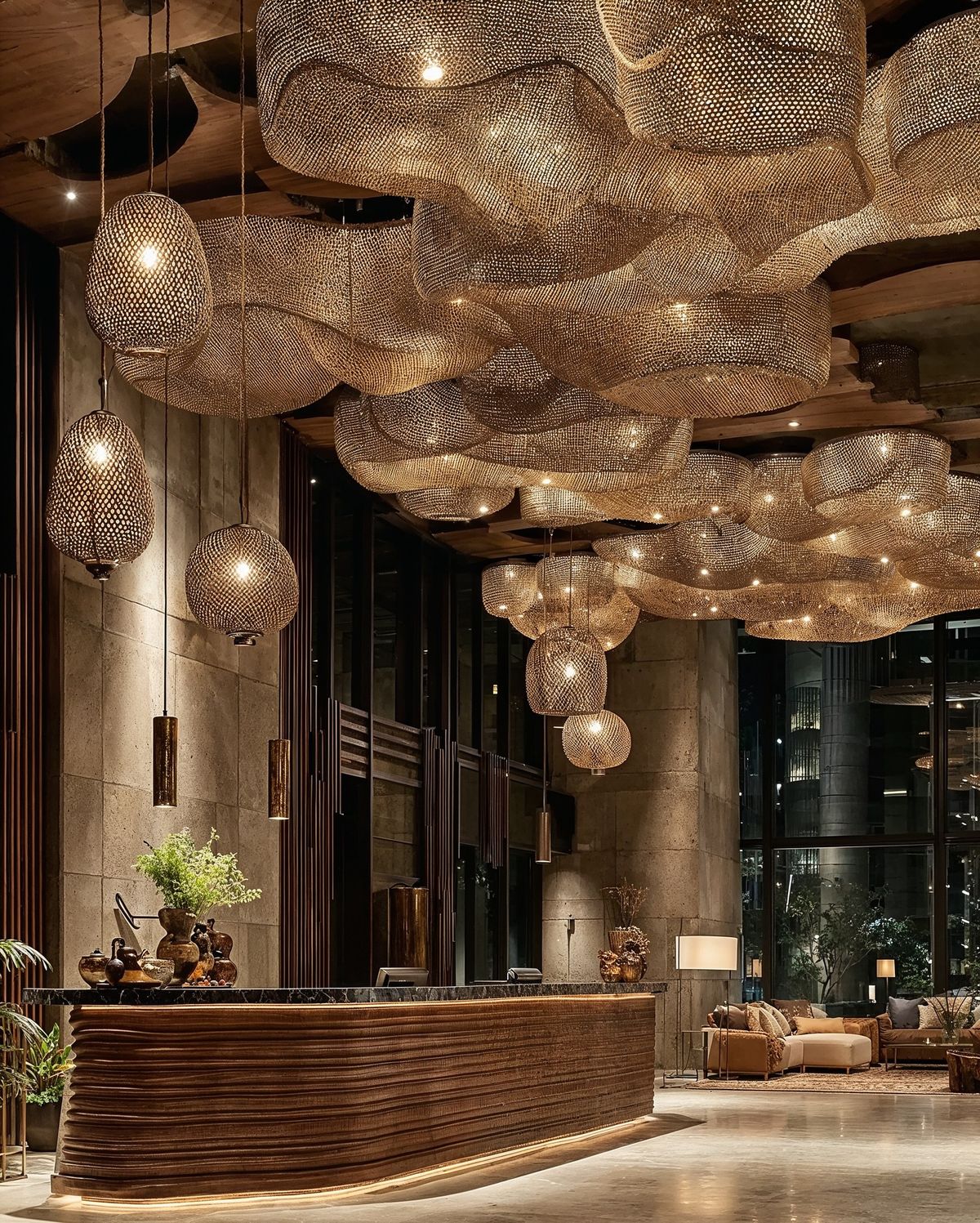
Walk into a beautifully designed hotel lobby and the experience begins immediately. The lighting is layered and intentional, gently highlighting architectural details, softly illuminating seating areas, and creating an atmosphere that feels both welcoming and refined. The space invites people to pause, settle in, and connect with their surroundings.
What makes these environments so successful is that lighting is treated as part of the experience itself, not simply a functional necessity.
Guests may not consciously notice every lighting detail, yet they instinctively respond to the atmosphere it creates.
Over time, this understanding has influenced the way many designers and real estate professionals approach residential spaces. The same principles that make a hotel feel warm and inviting can transform how a home is perceived and experienced.
Lighting in Residential Real Estate
In homes, lighting has the power to transform how a space is experienced from the very first moment.
A pendant above a dining table immediately suggests gathering and conversation. Soft lighting in a living room creates a sense of relaxation and comfort. In bedrooms, warmer tones communicate calm and rest.
Even small adjustments can make a dramatic difference. Replacing harsh overhead lighting with layered sources such as floor lamps, table lamps, or wall sconces can dramatically change the atmosphere of a room.
In real estate, this becomes particularly important because buyers are not only evaluating a property; they are imagining their lives within it.
Lighting helps them see that possibility.
In today’s market, where the first impression of a property often happens online through photography and video, lighting also shapes how a home is perceived before a buyer ever steps through the door.
Light influences perception, and perception influences interest.
The Sensory Language of Light
Lighting does more than illuminate a room; it interacts with the senses.
It enhances the warmth of wood, the richness of fabrics, the depth of stone, and the presence of art. Shadows create dimension, highlights draw attention, and balanced illumination creates harmony within a space.
When lighting is intentional, materials feel richer, spaces feel deeper, and environments become more engaging.
When lighting is neglected, even beautiful interiors can feel flat and lifeless.
This is why lighting should never be treated as an afterthought. It is part of the sensory language that shapes how we experience the spaces around us.
A Simple Tip for Bringing Personality into Your Home
For homeowners who want to elevate their spaces without a major renovation, lighting can be one of the simplest and most impactful changes.
Often, the atmosphere of a room is not determined by the fixture itself but by the type of lightbulb being used.
Cool, bright bulbs tend to create a more clinical or office-like feeling, while warmer tones bring softness, comfort, and personality into a space.
For living rooms, bedrooms, and dining areas, a warm light bulb in the range of 2700K to 3000K usually creates a much more inviting atmosphere. These tones mimic the warmth of natural evening light and allow materials, textures, and colors to appear richer and more natural.
Another simple way to enhance a space is to avoid relying solely on one overhead light. Adding a floor lamp, a table lamp, or a wall sconce can instantly create layers of light, which makes a room feel more balanced and welcoming.
Lighting, in many ways, gives personality to a space.
It highlights what matters, softens what should feel calm, and creates the atmosphere that people remember long after they leave the room.
A Small Detail Often Used in Hotels
One subtle detail often seen in beautiful hotels is the use of multiple light sources at different heights.
Instead of relying on a single ceiling fixture, lighting is distributed throughout the room — a lamp near seating areas, soft lighting near artwork, and ambient light that gently fills the space.
This layering creates depth and warmth while avoiding harsh contrasts.
It is a small design principle that can easily be applied in homes and immediately transforms how a room feels.
A Small Invitation
The next time you walk into a place you truly enjoy, pause for a moment.
It might be a restaurant you love, a beautiful hotel, a boutique, or even a home that feels especially welcoming.
Before looking at the furniture or the décor, notice the lighting.
Where does the light fall first?
What is being highlighted?
What is intentionally left softer or more subtle?
Is the atmosphere warm and intimate, or bright and energetic?
You may discover something interesting: the feeling you associate with that place may not come only from the design itself, but from the intention behind the light that brings everything together.
Lighting quietly guides the experience.
And once you begin to notice it, you will never walk into a space the same way again.
At Interiors & Impressions, we believe spaces communicate long before words do.
Through thoughtful preparation, intentional design, and attention to sensory elements such as lighting, environments can be transformed into experiences that people remember.
Because great spaces are not only seen.
They are felt.
Written by
Carla Guzmán and Edilka Anderson
Co-Founder, Interiors & Impressions / I & I Academy
Strategic preparation, buyer psychology, and the evolving standards of the real estate profession.
Instagram: @interiorsandimpressions
LinkedIn: Interiors & Impressions
Stay connected with news and updates!
Join our mailing list to receive the latest news and updates from our team.
Don't worry, your information will not be shared.
We hate SPAM. We will never sell your information, for any reason.
