Why the Best Hotels Make You Feel Something Before You See Anything
May 23, 2026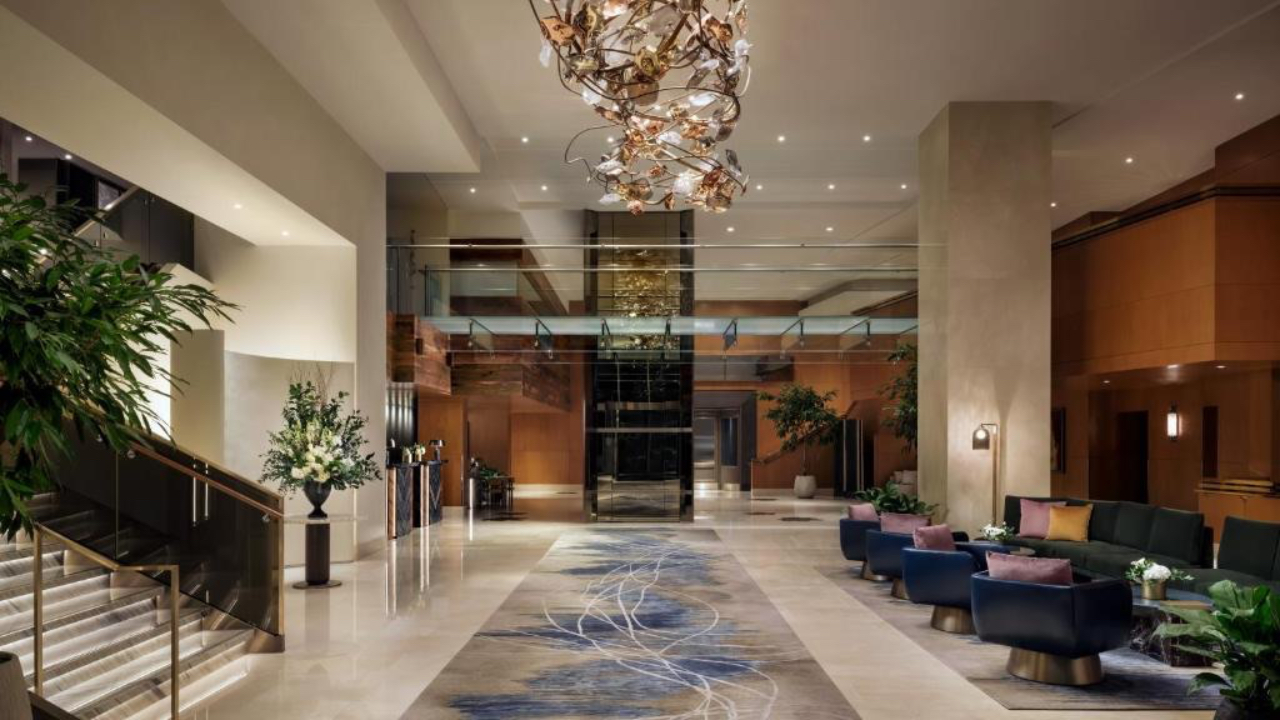
By Carla Guzmán · Interiors + Impression
 The Ritz Carlton Miami
"Some spaces speak the moment you arrive. The best ones have been rehearsing that conversation for years."
When I travel, I don't just stay in a hotel. I study it.
I notice the weight of the door as it closes behind me. The temperature of the light in the corridor. The exact moment the scent changes from the outdoor air to something warmer, deeper, more deliberate. I feel the surface of the check-in desk under my fingertips and register — in a way I couldn't fully explain to a non-designer — whether it was chosen or simply placed.
This is the professional hazard of spending a career inside the psychology of spaces.
I just love and admire beautiful hotels. Not because of what they cost. Because of what they do — to my body, my mood, my sense of possibility. A truly great hotel has always felt, to me, like the most generous form of design. It asks nothing of you except that you arrive, and then it goes to work on your nervous system with extraordinary precision.
And lately — as neuroscience catches up to what the best hospitality designers have always intuitively known — we finally have the language to explain exactly why.
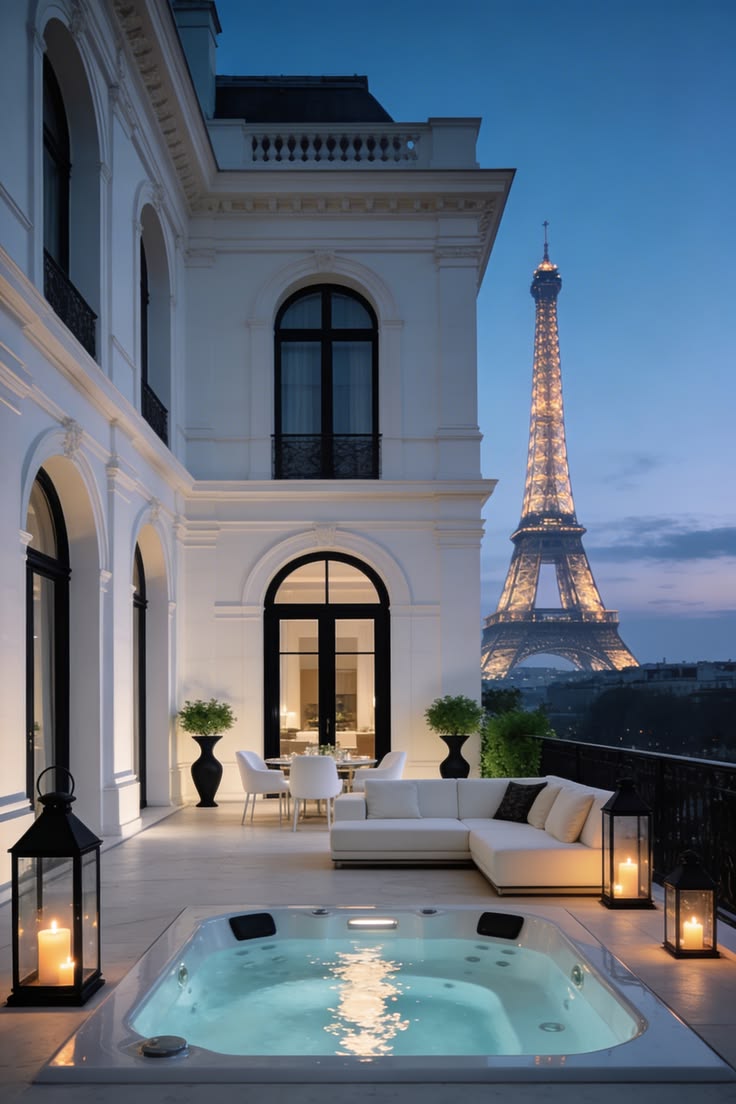 "Luxury is rarely announced. It is discovered — in the detail you almost missed."
It Starts Before You See Anything
The moment you walk into a luxury hotel, something happens before your eyes have time to take in the room.
You feel it.
That sensation — the one that says yes, this is somewhere worth being — arrives through your nose, not your eyes. The signature scent of a great hotel activates the limbic system: the region of the brain responsible for emotion, mood and memory. Unlike every other sense, scent has a direct neural pathway to the brain's emotional centre, by passing conscious processing entirely.
This is why certain hotels feel instantly familiar even on a first visit. The scent has already spoken to your nervous system, and your nervous system has already decided: I am safe here. I am somewhere extraordinary.
The world's best hospitality brands understand this with extraordinary precision. Hyatt Place has used the same signature scent across nearly 300 properties for close to two decades — because the emotional loyalty that a carefully chosen fragrance builds is simply that durable. The Langham properties use a signature lavender throughout their spaces, calibrated not for pleasantness alone but for its specific psychological effect: calm, refinement, the unhurried feeling of time in your favour.
And this is only the beginning of the conversation the space is having with you.
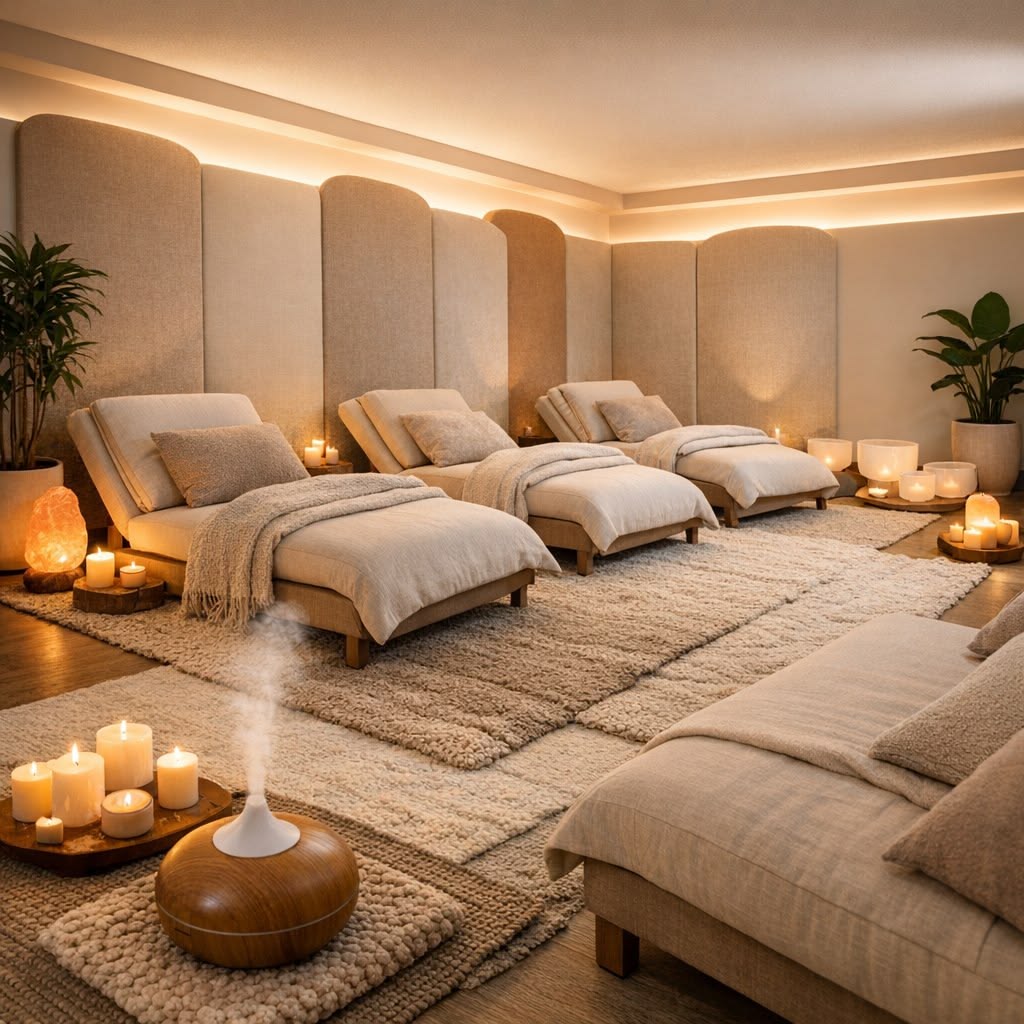 "Scent arrives before you do. The best hotels know exactly what they want it to say."
The Orchestra You Never See
The best hospitality designers speak about what they now call Evocative Design — the art of creating an atmosphere that elicits a specific feeling by treating every sensory element the way a conductor treats an orchestra. Not one instrument. All of them. Together. In service of a single emotional experience.
Scent sets the emotional key. A grounding arrival note — often warm, woody, quietly sophisticated — transitions to lighter, more energising fragrances in public areas, then gives way to calming, restful tones in the bedroom and spa. This is not perfume. It is emotional choreography.
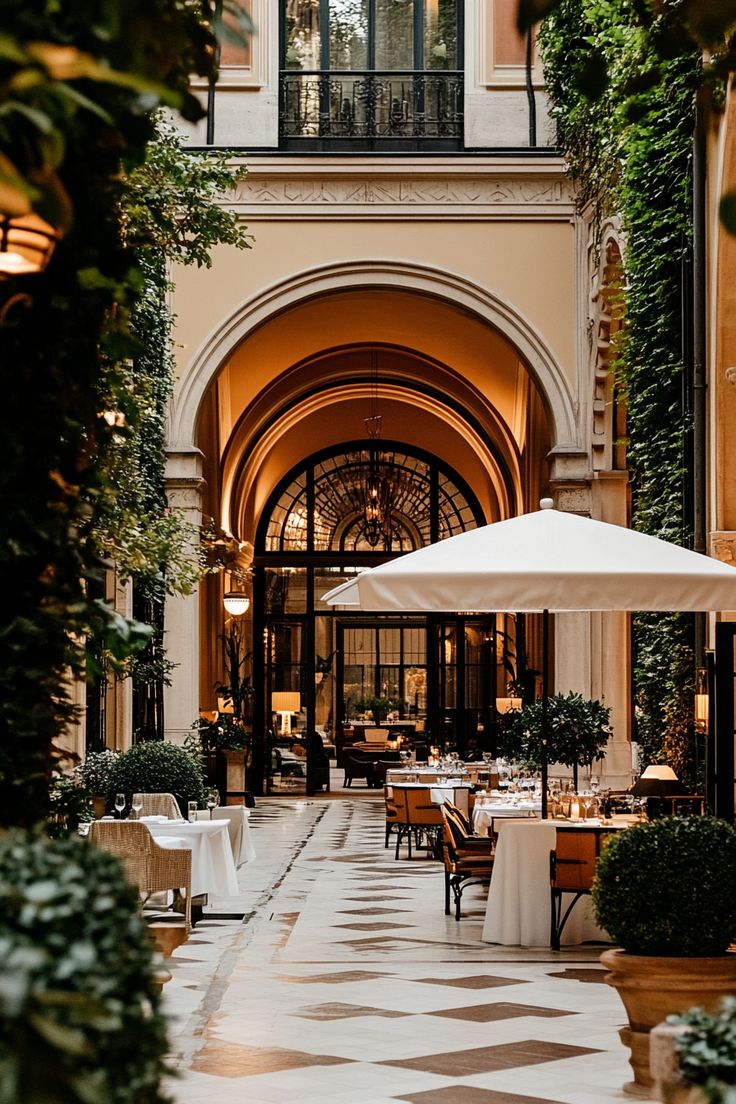 "The arrival scent of a great hotel is not chosen for pleasantness. It is chosen for what it tells your nervous system the moment you walk in."
Sound — or more precisely, the architecture of silence — shapes your perception of quality in ways you feel but rarely articulate. A poorly designed acoustic environment creates fatigue: the kind guests experience without understanding its source. A curated soundscape does the opposite. It makes the space feel more intimate, more considered, more like somewhere that was built for you specifically. Curated sound has been shown to improve not only guest comfort but perceived service quality — and even the performance of staff.
Light is emotional direction. The temperature and layering of light shifts throughout the guest journey — from the animated warmth of arrival, through the social ease of dining, to the deep intimacy of a room at night. This is not illumination. It is the hotel telling you, at each stage of your experience, exactly how to feel.
Texture and material complete the composition. The weight of linen against skin. The slight resistance of a beautiful door handle. The coolness of marble, the warmth of oak, the softness of a handwoven throw across the foot of the bed. Every surface is sending a message to your body: this place was made with full attention.
And your body, without being asked, believes it
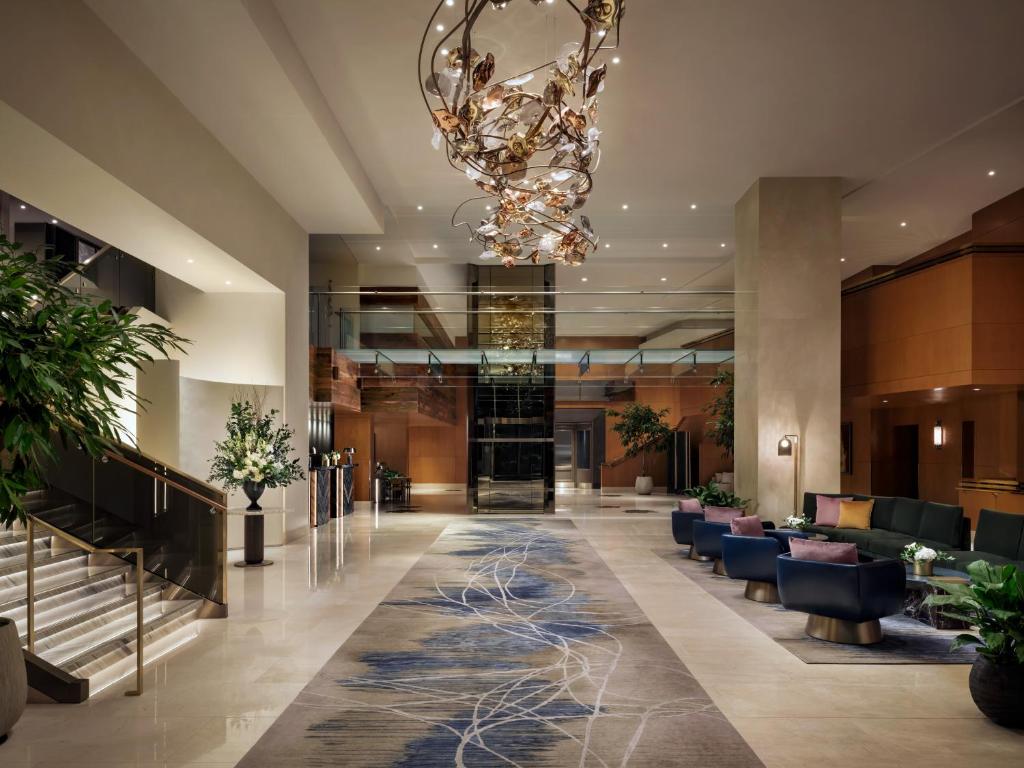 "The Ritz-Carlton does not use a single fragrance across its properties. It uses a library."
The Ritz-Carlton Standard — A Case Study in Sensory Mastery
If I had to point to one brand that has elevated sensory design from instinct to institution, it would be The Ritz-Carlton.
What sets them apart is not just the quality of their spaces — it is the systematic intentionality behind every sensory decision, applied consistently across more than 100 properties worldwide.
Most people know The Ritz-Carlton for their legendary service philosophy. What fewer people realise is that the brand has built an equally rigorous programme around the invisible architecture of their guest experience — scent, sound, and botanicals — each designed not as decoration, but as emotional infrastructure.
The Scent Programme. The Ritz-Carlton does not use a single signature fragrance. They use a menu of bespoke scents — each one custom-designed to reflect the unique cultural and natural character of its location. The Ritz-Carlton Portland carries a signature inspired by the Pacific Northwest: bold, woody, and musky, with a top note of Balsam Fir evoking the nearby Rocky Mountains, layered with green tea, cedar leaf, cardamom, patchouli and amber. The New York Central Park property introduced 50 Central Park — crafted with elderflower, mountain mint and ripe strawberries to evoke the park's living beauty just beyond the door. Coastal properties developed aquatic marine profiles that mirror the scent of the sea itself.
The guiding principle, stated by The Ritz-Carlton's own brand leadership: "individuals remember what they smell two times longer and more vividly than what they see or hear."
This is not marketing language. It is neuroscience — and they built an entire sensory programme around it.
The Music and Botanical Programmes. Alongside scent, The Ritz-Carlton curates the acoustic environment and the visual-tactile language of botanicals across its properties with the same precision. Together, the three programmes — fragrance, music, botanicals — form what the brand calls a complete sensory experience: a layered, orchestrated impression that begins the moment a guest arrives and continues to work on them long after they leave.
Ambiance is carefully curated through lighting, music, and scent to create a consistent and welcoming experience — sensory elements that enhance guest satisfaction and contribute to a lasting impression.
What moves me most about The Ritz-Carlton approach is this: they understood, long before the neuroscience caught up, that luxury is not what a guest sees. It is what a guest remembers feeling. And they built their entire brand around engineering that feeling — property by property, sense by sense, moment by moment.
That is not hospitality. That is mastery.
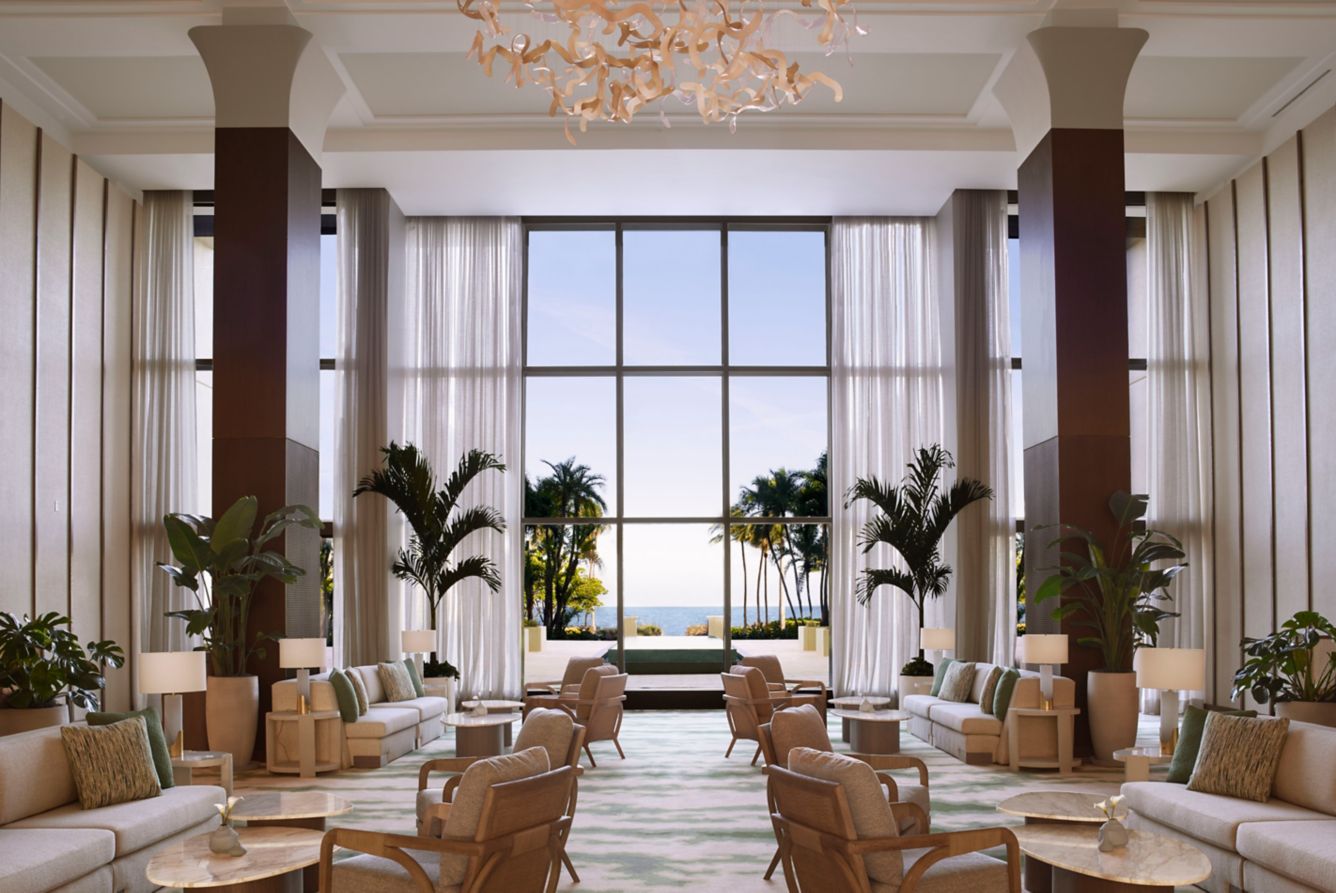
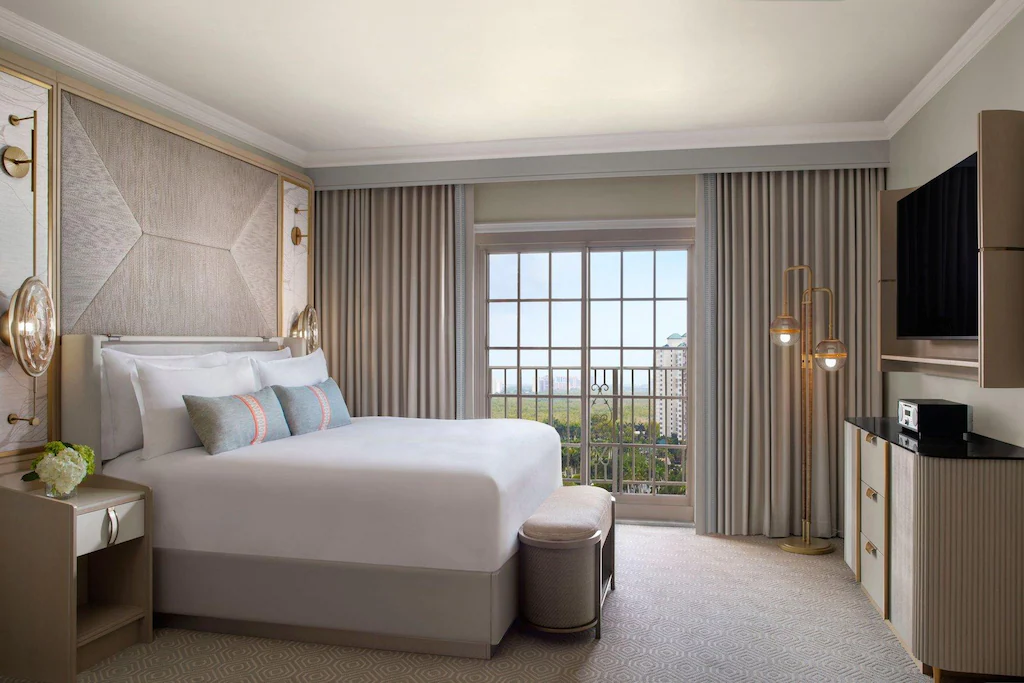 "The memory of a great hotel is never visual. It is felt. Long after the photograph fades, the feeling stays." The Ritz-Carlton Naples
Why This Stays With You Long After You Leave
Here is what I find most remarkable about sensory design in great hotels: it doesn't just shape how you feel during your stay. It shapes how you remember it.
Neuroscience now confirms what great hoteliers have always practiced: memory formation is heightened when multiple senses are activated simultaneously. The richness of a multisensory experience doesn't just feel better in the moment — it encodes more deeply. Which is why you can close your eyes years later and feel a hotel you loved. Not picture it. Feel it.
The scent was the key that unlocked it. The weight of the bed linen kept the memory warm. The particular quality of morning light through the curtains made it yours.
This is why the most extraordinary hotels don't compete on luxury alone anymore. In 2026, the leaders in hospitality are competing on meaning. On how fully they make you feel present. On the quality of the memories they leave in your body — not just your photographs.
Guests are no longer chasing excess. They are curating experience. And the hotels that understand this are designing for the nervous system, not the camera.
What I Bring Home
Every time I stay somewhere that gets this right, I bring something home with me.
Not just a memory — a lesson.
I have stood in hotel lobbies that taught me more about the psychology of arrival than any textbook. Walked corridors that showed me how proportion and light can make a person feel important before they've spoken to a single member of staff. Slept in rooms so intentionally designed that I woke up rested not because of the mattress — though the mattress was extraordinary — but because everything in that environment had been calibrated toward a single outcome: deep, unhurried rest.
This is what I bring to every project I consult on. To every property I position. To every hospitality space I design.
The question I always begin with is not: what should this look like?
It is: what should the person standing in this space feel?
Because spaces are never neutral. They are always communicating. Always making a case for something — for how much you matter, for how beautiful life can be, for whether this is a place worth slowing down in.
The best hotels in the world answer that question with every detail, every sense, every moment of the guest journey.
That is why I keep going back.
That is why I keep studying them.
And that is why, for me, a great hotel is never just a place to sleep.
It is the most complete expression of what intentional design can do to a human being.
"I travel to study spaces. And every great hotel teaches me something I bring back to every project I touch."
Carla Guzmán is the author of Real Estate is a Human Experience (Interiors + Impressions) and the creator of Stage & Sell™, The Pre-Listing Readiness Standard. She consults on property positioning, hospitality design strategy, and the psychology of spaces for developers, agents, and luxury brands.
Connect with Carla on Instagram and LinkedIn
© Carla Guzmán · Interiors + Impressions · All rights reserved.
Stay connected with news and updates!
Join our mailing list to receive the latest news and updates from our team.
Don't worry, your information will not be shared.
We hate SPAM. We will never sell your information, for any reason.
